

Global Demand for Men’s Grooming Brushes Stimulates New Bristle Material Development
Global Demand for Men’s Grooming Brushes Stimulates New Bristle Material Development
The global men’s grooming industry is experiencing unprecedented growth, with a particular surge in demand for specialized grooming brushes—from shaving brushes and beard combs to facial cleansing brushes. According to Statista, the global men’s grooming market is projected to reach $81.2 billion by 2026, with brush-based products accounting for a 12% year-over-year growth. This rising demand is not only reshaping product design but also driving significant innovation in bristle materials, as manufacturers race to meet evolving consumer expectations for comfort, sustainability, and functionality.
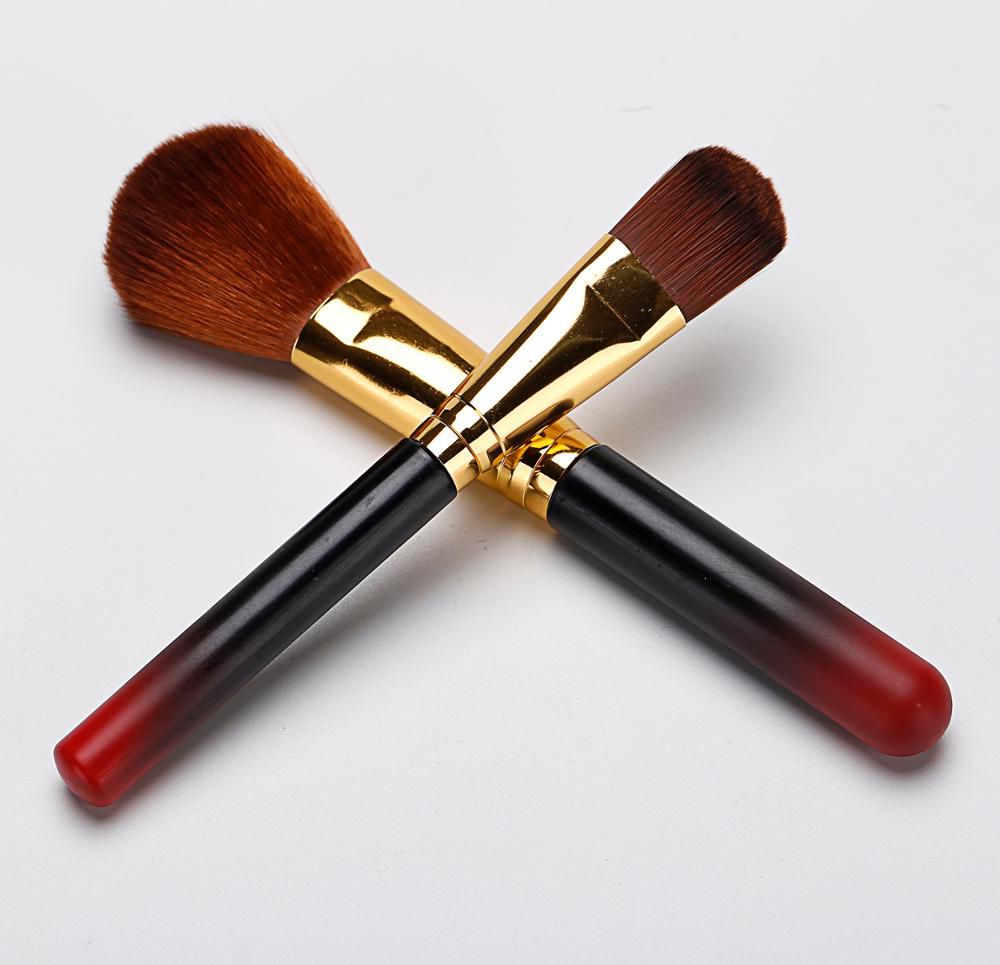
Traditionally, men’s grooming brushes relied heavily on two materials: natural animal hair (such as badger or boar bristles) and synthetic nylon. While natural bristles were prized for their softness and ability to hold lather, they face increasing scrutiny due to ethical concerns and sustainability issues—animal farming practices and limited supply chains have led to higher costs and consumer backlash. Synthetic nylon, on the other hand, offered durability and affordability but often lacked the tactile comfort of natural hair, with stiffer bristles that could irritate sensitive skin, a common complaint among modern male users.
Today’s consumers are demanding more. A 2023 survey by Mintel found that 68% of male grooming product buyers prioritize “ethical sourcing” and “sustainability” in their purchasing decisions, while 57% seek products that cater to specific skin needs (e.g., dryness, sensitivity). This shift has forced manufacturers to rethink bristle materials, focusing on three key areas: eco-friendliness, functional performance, and ethical production.
Leading the charge are plant-based and recycled synthetic materials. For instance, bamboo fiber bristles have emerged as a popular alternative. Derived from fast-growing bamboo, these bristles are naturally biodegradable, hypoallergenic, and offer a softness comparable to natural animal hair. Brands like The Art of Shaving have already launched bamboo-bristle shaving brushes, reporting a 35% sales increase in this category within six months. Similarly, recycled PET (rPET) bristles, made from post-consumer plastic bottles, are gaining traction for their low carbon footprint—manufacturers claim a 40% reduction in energy use compared to virgin nylon production.
Functionality is another critical driver. Men’s facial skin is typically thicker and oilier than women’s, requiring bristles that balance exfoliation with gentleness. To address this, material scientists are integrating nanotechnology into bristle design. Nano-coating synthetic bristles with silver ions, for example, enhances antimicrobial properties, preventing bacterial buildup—a key feature for beard brushes used daily. Meanwhile, “memory foam” bristles, made from a blend of polyurethane and recycled rubber, adapt to facial contours, reducing friction and irritation during shaving.
Ethical innovation is also reshaping the supply chain. Lab-grown “bio-fur,” developed using cell culture technology, mimics the structure of natural animal hair without harming animals. Though still in early stages, companies like Geltor are partnering with grooming brands to pilot test these lab-grown bristles, targeting a 2025 market launch. Such advancements not only align with ethical consumer values but also ensure a consistent, scalable supply—addressing the volatility of natural hair sourcing.
As demand continues to rise, the future of men’s grooming brush bristles lies in the convergence of sustainability, functionality, and ethics. Manufacturers that invest in R&D for these next-gen materials will not only capture market share but also set new industry standards. For consumers, this means access to brushes that feel better, perform smarter, and align with their values—proving that even the smallest component, like a bristle, can drive meaningful change in the global grooming landscape.
//製品フィード
-

-

-

ツートーンフィラメントPBTまつげ用人工毛
サービス: -

-

-

-

-

-

-
