

Brush Manufacturers Step Up Efforts in Anti-Counterfeit Bristle Identification Technology
Brush Manufacturers Lead Charge in Anti-Counterfeit Bristle Identification Tech
The global cosmetic brush market is booming, with consumers increasingly prioritizing high-quality tools for precise makeup application. However, this growth has attracted counterfeiters, who flood the market with substandard brushes using fake or misrepresented bristles. From nylon fibers passed off as premium natural animal hair (like sable or horsehair) to recycled synthetic filaments masked as "vegan-friendly" alternatives, counterfeit bristles not only compromise performance but also pose health risks—irritating skin or even containing harmful chemicals. In response, leading brush manufacturers are ramping up investments in advanced anti-counterfeit bristle identification technologies, aiming to protect brand reputation, ensure consumer safety, and uphold industry standards.
The stakes are high: counterfeit bristles erode trust. A 2023 industry report found that 1 in 5 "premium" brushes sold online contained mislabeled bristles, with synthetic fibers often marketed as "100% natural." This not only deceives consumers but also harms legitimate manufacturers, who invest heavily in sourcing and testing high-grade materials. To combat this, manufacturers are turning to cutting-edge science and tech.
One key innovation is spectral analysis. Near-infrared (NIR) and Raman spectroscopy tools are now standard in production lines, enabling rapid, non-destructive testing. NIR spectroscopy, for instance, identifies molecular signatures—natural bristles (e.g., sable) show distinct protein peaks, while synthetics like nylon reveal polymer patterns. Companies like Artisan Brushes, a top brush manufacturer, report that integrating NIR scanners has reduced counterfeit material infiltration by 92% in their supply chain.
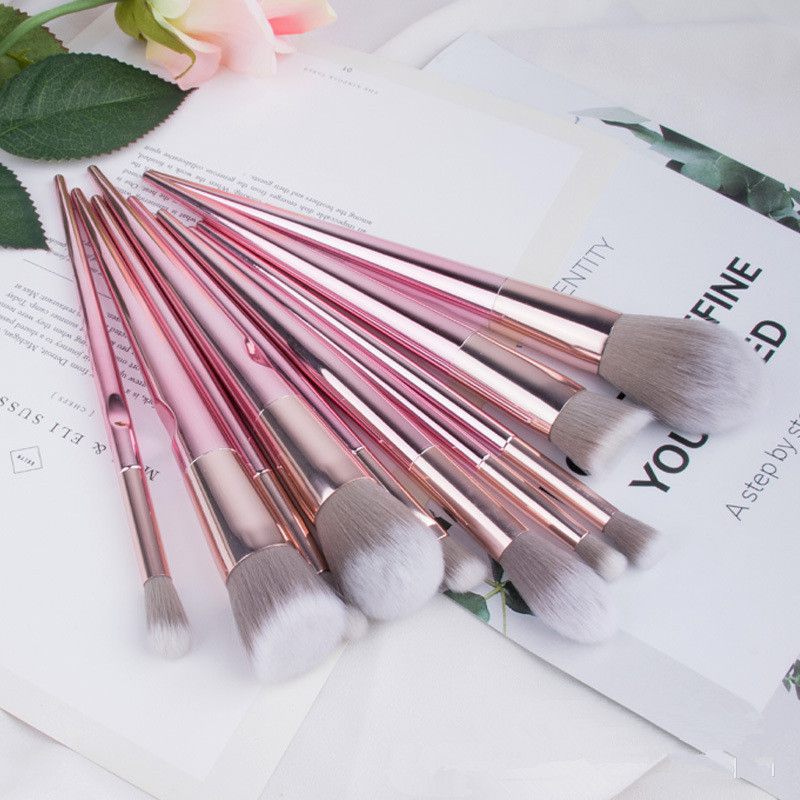
AI and machine learning are also playing a pivotal role. By training algorithms on thousands of bristle samples—capturing微观结构 (microstructure) differences like fiber diameter, surface texture, and elasticity—AI systems can flag anomalies in seconds. A leading刷丝供应商 (bristle supplier), BristleTech, developed an AI-powered microscope that analyzes bristle cross-sections; it now detects 98% of counterfeit synthetic fibers mislabeled as "natural goat hair."
Biomarker technology is another frontier. Some manufacturers are embedding traceable biological tags into natural bristles during processing—for example, unique DNA markers in animal hair or plant-based dyes in vegan fibers. These tags are invisible to the naked eye but detectable via handheld scanners, allowing brands and even consumers to verify authenticity.
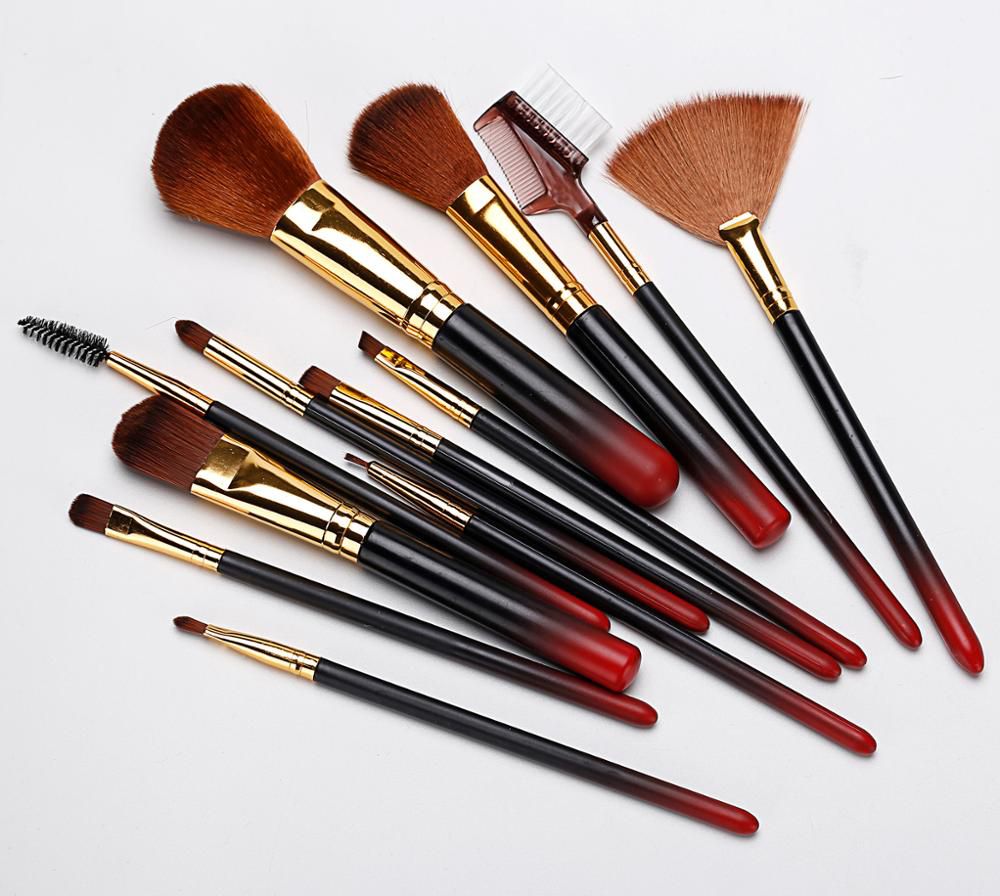
Blockchain is adding transparency to the supply chain. By logging every step—from raw material sourcing (e.g., ethical sable farms) to bristle processing and brush assembly—on a decentralized ledger, manufacturers provide consumers with a tamper-proof "digital passport." Scanning a QR code on the brush packaging pulls up the bristle’s origin, testing results, and certification, ensuring full traceability.
These technologies are not just defensive; they’re driving industry progress. As manufacturers adopt stricter authentication measures, they’re pushing for universal standards. Trade groups like the Global Cosmetic Brush Association (GCBA) are now advocating for mandatory bristle testing protocols, with some countries considering regulations that require bristle material certification on product labels.
For consumers, this means greater confidence. No longer will they have to guess if their "sable brush" is genuine or if "vegan bristles" are free from harmful additives. For manufacturers, it’s a chance to differentiate—brands that invest in anti-counterfeit tech are positioning themselves as leaders in quality and ethics.
Looking ahead, the focus will likely shift to consumer-facing tools. Imagine a smartphone app that uses your camera to scan bristles and instantly verify material authenticity. Early prototypes are already in testing, promising to put anti-counterfeit power directly in consumers’ hands.
In the battle against counterfeit bristles, technology is the ultimate ally. By combining material science, AI, and blockchain, brush manufacturers are not just protecting their products—they’re safeguarding the integrity of an industry built on precision, quality, and trust.
//製品フィード
-

-

-

ツートーンフィラメントPBTまつげ用人工毛
サービス: -

-

-

-

-

-

-
